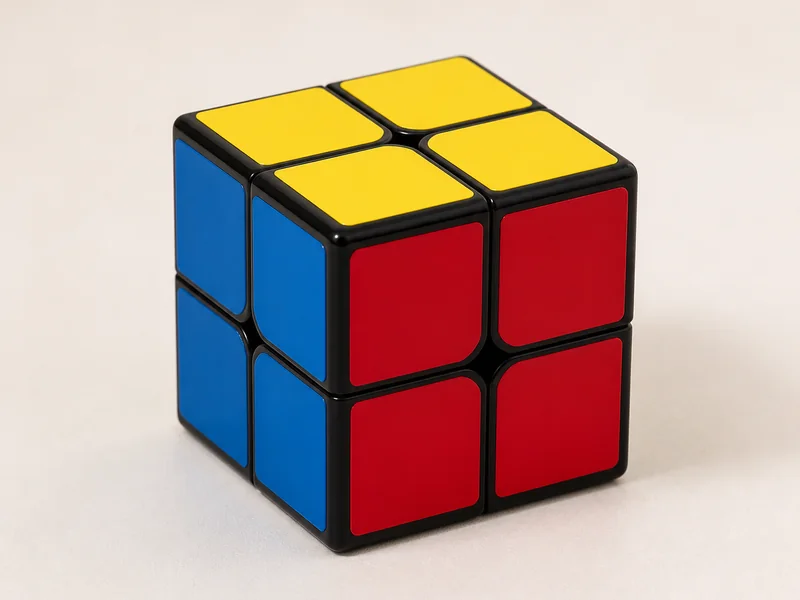
 Easy · 15–30 minutes
2×2 Cube
A beginner-friendly 2×2 cube tutorial: solve the first layer, position the top corners, then twist them with two short algorithms.
Open guideLearn what to look for, how to hold the puzzle, and which short sequence to use. Check each goal before moving to the next step.
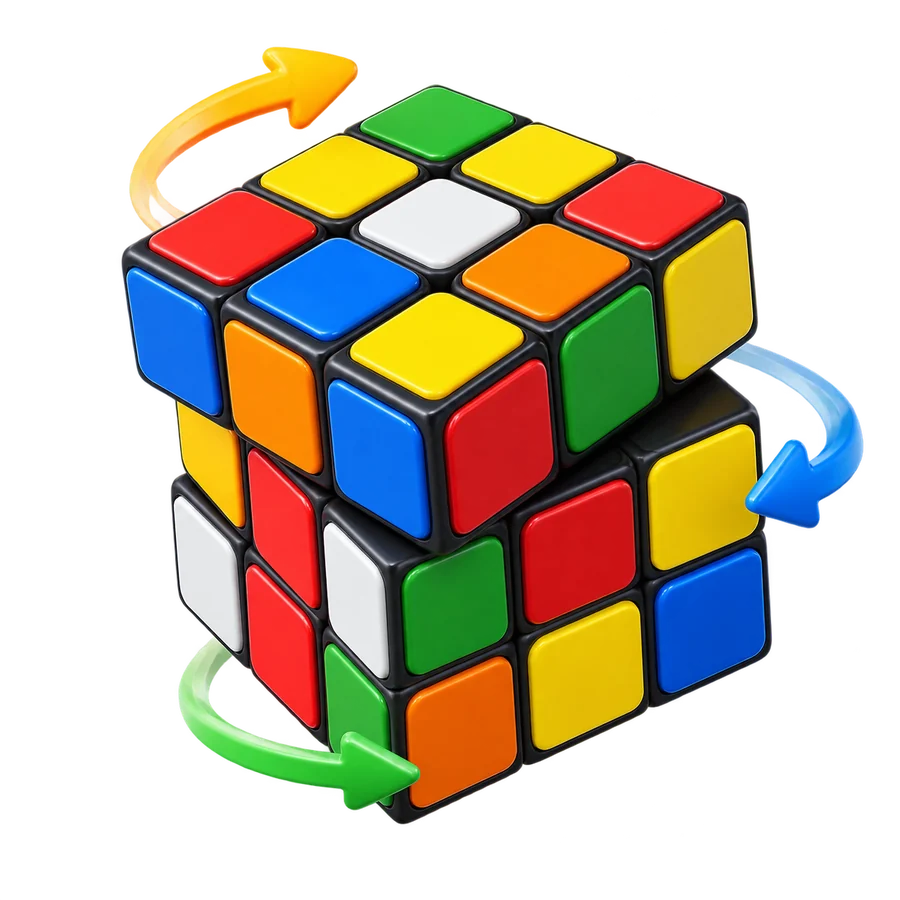
Beginner method
Every guide defines the target state, the grip, and the exact sequence. You always know what success should look like.
Start with 3×3, take a short first solve on 2×2, or continue to larger cubes and shape-shifting puzzles.
Easy · 15–30 minutesA beginner-friendly 2×2 cube tutorial: solve the first layer, position the top corners, then twist them with two short algorithms.
Open guide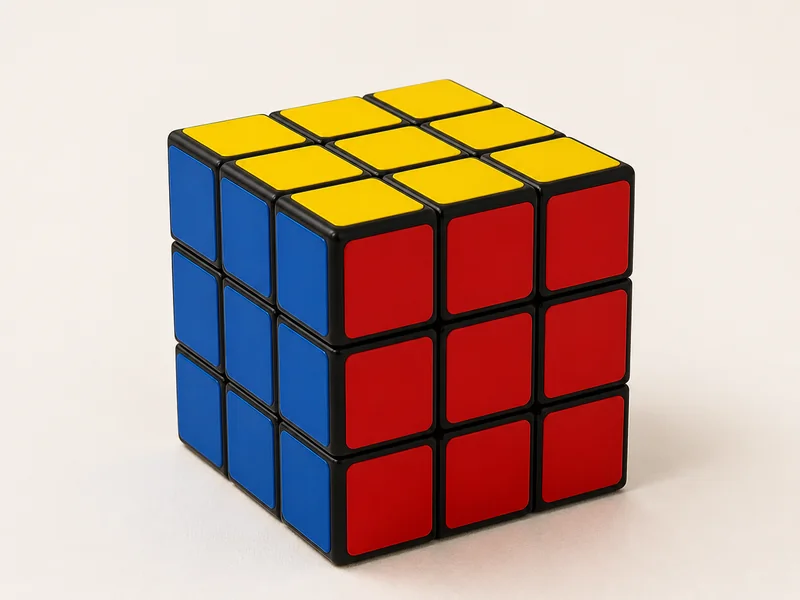 Beginner · 45–90 minutes
Solve a standard 3×3 cube in seven clear beginner steps, from the white cross to the final layer edges.
Open guide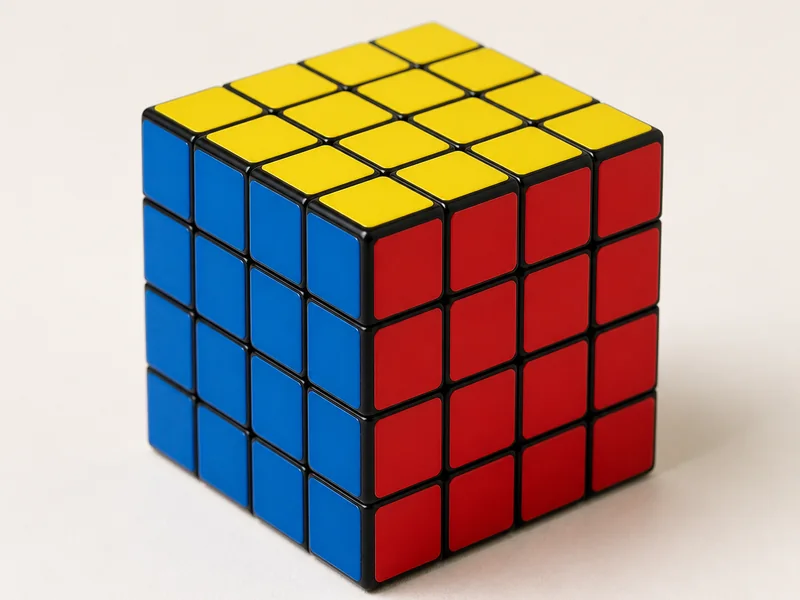 Intermediate · 60–120 minutes
Learn the 4×4 reduction method: build centers, pair edges, solve it like a 3×3, and handle OLL and PLL parity.
Open guide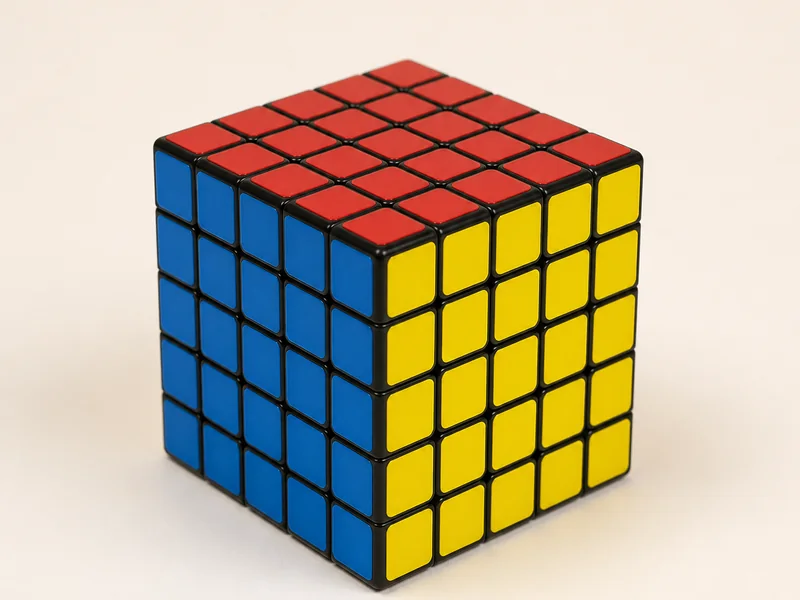 Intermediate · 90–180 minutes
A clear 5×5 reduction guide: solve the 3×3 centers, build three-piece edges, then finish with the 3×3 method.
Open guide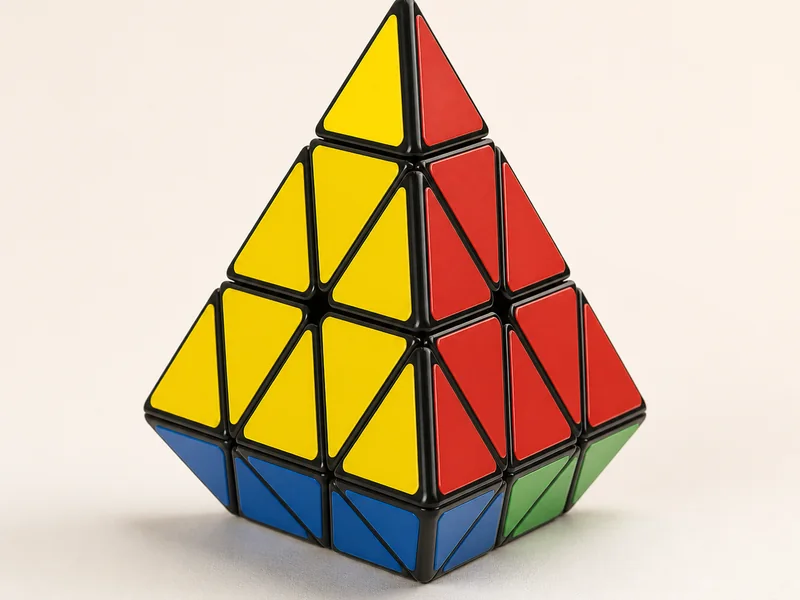 Easy · 10–25 minutes
A simple Pyraminx tutorial for beginners: align the tips, solve one face, and cycle the final three edges.
Open guide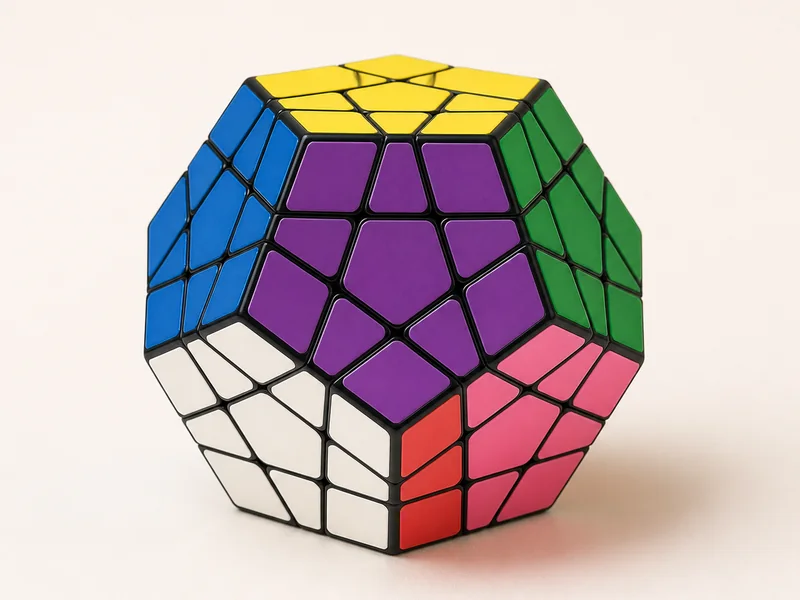 Challenging · 2–4 hours
A structured beginner route for Megaminx: first star, first two layers, side belts, and the final face.
Open guide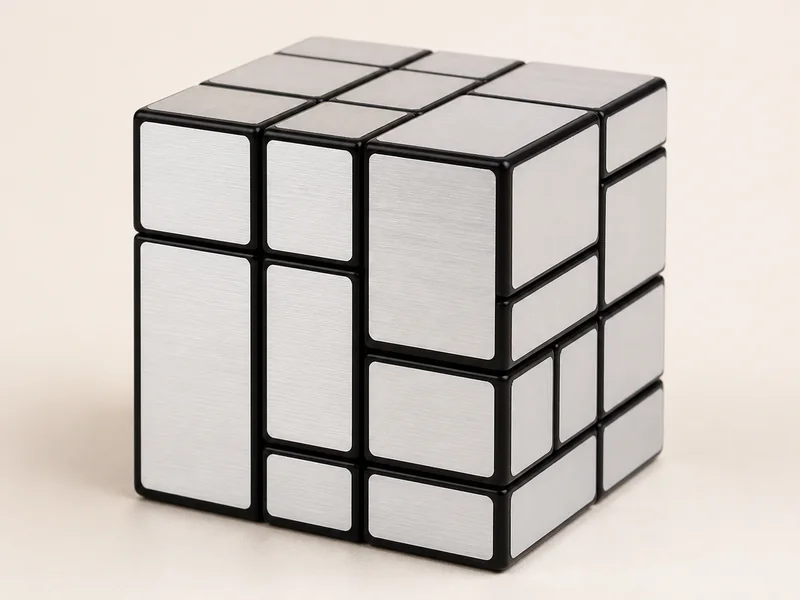 Intermediate · 45–90 minutes
Solve a Mirror Cube with the 3×3 method by reading piece height and shape instead of sticker colors.
Open guide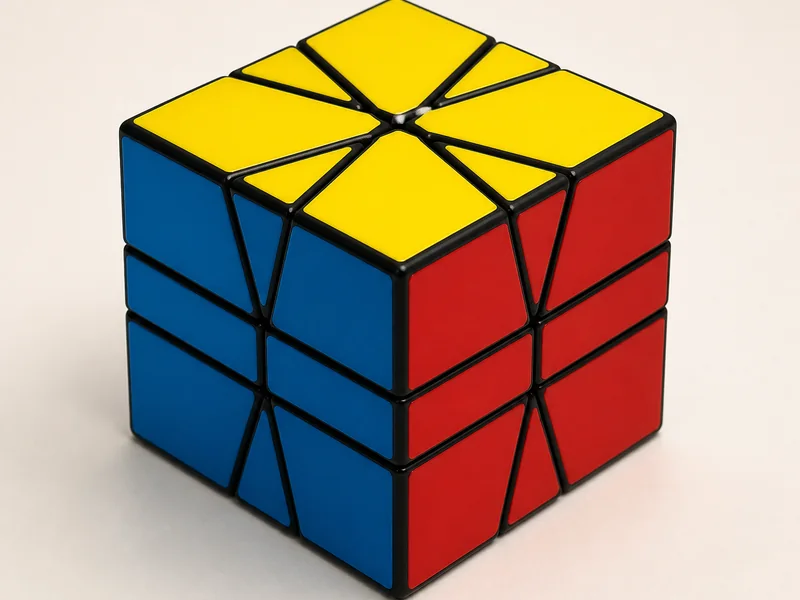 Advanced · 2–5 hours
A beginner roadmap for Square-1: restore cube shape, orient and place both layers, then recognize parity.
Open guide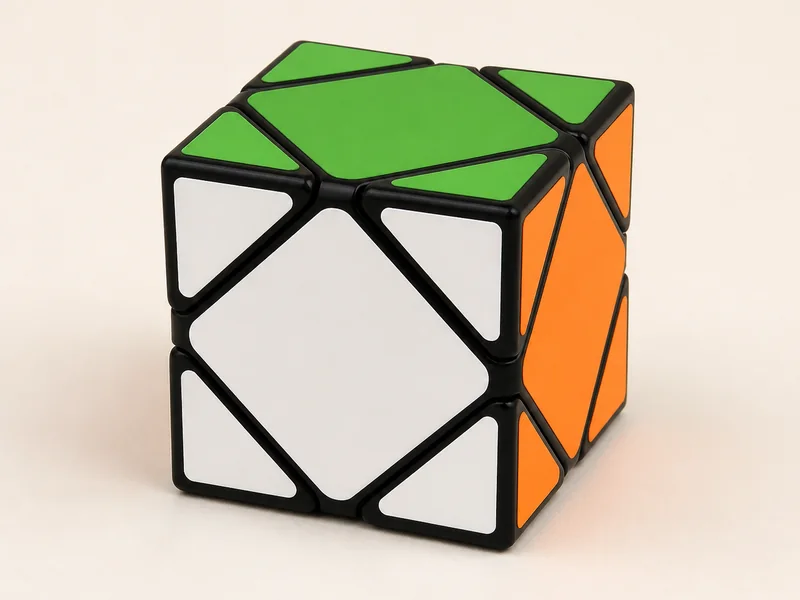 Intermediate · 20–45 minutes
A short beginner Skewb method using one repeated trigger for the first face, top corners, and centers.
Open guideOn a 3×3, the center identifies the color of that face and never changes its relative position.
An edge belongs between the two centers that match its two colors.
A corner belongs where its three surrounding centers meet.
Most people can reach a first solve after one to several hours of guided practice. Repeat the same method before trying to solve faster.
No. The beginner method uses a small set of short triggers. Understand the purpose of each sequence and learn them gradually.
A smooth 3×3 gives the best foundation. A 2×2 is shorter, while a 4×4 is best after you already understand 3×3.